Children’s rooms are often filled with color, pattern, and personality. And then there’s the ceiling light. Plain. Builder-grade. Forgettable.
Lighting is an opportunity to add imagination.
1. Choose a Shade With Movement
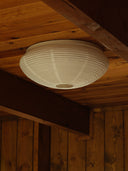
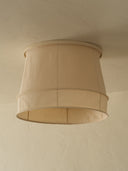
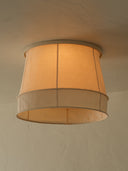
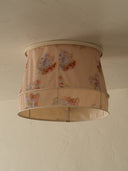
Stripes, playful prints, soft pleats. A ceiling shade becomes part of the room’s story.
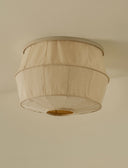
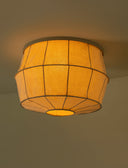
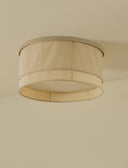
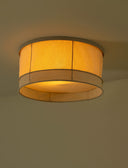
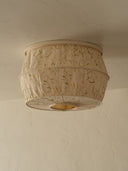
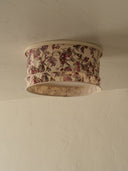
Instead of cartoon characters, think design that grows with them. A pleated or patterned ceiling shade does more than diffuse light. It adds shape overhead, which children notice immediately.
2. Use Warm, Gentle Bulbs
Harsh overhead light makes bedtime harder.
Warm light creates a calmer transition in the evening. 2700K bulbs are our favorites. They feel soft without being dim and keep colors true during the day. If possible, choose dimmable bulbs so you can shift the tone from playtime brightness to evening wind-down.
3. Add a Lamp That Feels Like Theirs
A small table lamp on a dresser, bedside table, or even a changing table creates a sense of ritual.
The base can be playful. A sculptural animal. A wooden figure. Something slightly unexpected. The shade could have tiny cutouts that cast dappled light across the walls or feature a character.
This is where personality can really live.
Layered lighting also means you do not rely entirely on the ceiling fixture. A low lamp becomes reading light, drawing light, or simply the soft glow that signals the day is ending.
4. Introduce Light as an Activity
Lights do not have to be purely functional.
Look for ones that move, rotate, or cast shapes across the ceiling. Vintage projection lamps are especially charming. Many of our favorites are found on Etsy or eBay.
A rotating star projector. A softly glowing character lamp. Something that turns bedtime into a small event rather than a negotiation.
Lighting can be playful without being overstimulating. It can invite imagination instead of just fighting darkness.
5. Think About Day and Night
During the day, light should feel cheerful and bright. At night, it should feel soft and reassuring.
Layering helps here:
Each serves a different purpose. Together they create rhythm.
6. Let the Ceiling Be Part of the Design
Children notice everything. The ceiling is not a background to them. It is part of their world.
A patterned or pleated ceiling shade feels intentional. It tells them their room was designed, not assembled. It creates softness overhead instead of glare.
When the ceiling feels warm, the whole room does.
FAQs
What type of lighting is best for kids’ bedrooms?
Layered lighting with warm bulbs, a diffused ceiling light, and at least one lower light source like a table lamp.
Are ceiling light covers safe for children’s rooms?
When properly installed and paired with appropriate bulbs, yes. Always follow manufacturer guidance and use recommended bulb types.
Are night lights necessary?
Not always, but a soft ambient glow can provide comfort and make nighttime transitions smoother.








Kids Bedroom Lighting Ideas That Aren’t Boring
Children’s rooms are often filled with color, pattern, and personality. And then there’s the ceiling light. Plain. Builder-grade. Forgettable.
Lighting is an opportunity to add imagination.
1. Choose a Shade With Movement
Stripes, playful prints, soft pleats. A ceiling shade becomes part of the room’s story.
Instead of cartoon characters, think design that grows with them. A pleated or patterned ceiling shade does more than diffuse light. It adds shape overhead, which children notice immediately.
2. Use Warm, Gentle Bulbs
Harsh overhead light makes bedtime harder.
Warm light creates a calmer transition in the evening. 2700K bulbs are our favorites. They feel soft without being dim and keep colors true during the day. If possible, choose dimmable bulbs so you can shift the tone from playtime brightness to evening wind-down.
3. Add a Lamp That Feels Like Theirs
A small table lamp on a dresser, bedside table, or even a changing table creates a sense of ritual.
The base can be playful. A sculptural animal. A wooden figure. Something slightly unexpected. The shade could have tiny cutouts that cast dappled light across the walls or feature a character.
This is where personality can really live.
Layered lighting also means you do not rely entirely on the ceiling fixture. A low lamp becomes reading light, drawing light, or simply the soft glow that signals the day is ending.
4. Introduce Light as an Activity
Lights do not have to be purely functional.
Look for ones that move, rotate, or cast shapes across the ceiling. Vintage projection lamps are especially charming. Many of our favorites are found on Etsy or eBay.
A rotating star projector. A softly glowing character lamp. Something that turns bedtime into a small event rather than a negotiation.
Lighting can be playful without being overstimulating. It can invite imagination instead of just fighting darkness.
5. Think About Day and Night
During the day, light should feel cheerful and bright. At night, it should feel soft and reassuring.
Layering helps here:
A diffused ceiling light for overall brightness
A table lamp for focused tasks
A soft night light for comfort
Each serves a different purpose. Together they create rhythm.
6. Let the Ceiling Be Part of the Design
Children notice everything. The ceiling is not a background to them. It is part of their world.
A patterned or pleated ceiling shade feels intentional. It tells them their room was designed, not assembled. It creates softness overhead instead of glare.
When the ceiling feels warm, the whole room does.
FAQs
What type of lighting is best for kids’ bedrooms?
Layered lighting with warm bulbs, a diffused ceiling light, and at least one lower light source like a table lamp.
Are ceiling light covers safe for children’s rooms?
When properly installed and paired with appropriate bulbs, yes. Always follow manufacturer guidance and use recommended bulb types.
Are night lights necessary?
Not always, but a soft ambient glow can provide comfort and make nighttime transitions smoother.