
The Deadstock Collection started in Los Angeles, with a day at the iconic Ragfinders. If you're part of the uninitiated, Ragfinders is a downtown fabric warehouse where surplus and deadstock bolts line floor after floor. If you know, you know. It's dangerously easy to spend a day there.
Deadstock had been on Lori's list for years. Surplus fabric that already exists in the world, found rather than manufactured. She and creative director Bitty wanted to find out what happens when you go in without a direction.

"It is this huge warehouse of floors of nothing but bolts and bolts and bolts, thousands of bolts of fabric. And the moment we walked in, we saw this entire pile of these plaids and these madras. Both of us just looked at each other and went, 'Okay, this is one direction for sure.'"
Lori and Bitty came back with seven fabrics and no production plan. Madras plaids, florals, dots. Each one different. The collection shaped itself around what they found. That's what working with deadstock looks like from the inside. Less design, more edit.
Making the collection was also more involved than a standard Tulip Shade.

"The Deadstock Collection is even more handmade than everything else. We had to buy the fabric, ship it to our manufacturer, hand cut all pieces. These are bespoke pieces."
Lori is careful about the word sustainability. It's a buzzword in product, she says, and she doesn't reach for it lightly at Tulip. The Deadstock Collection is where she makes an exception: fabric that was headed for a landfill, made into something worth keeping.

348 Shades. No reorders.
"I want you to know that you have something really special." — Lori


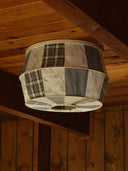

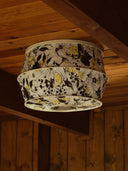

Introducing: The Deadstock Collection
The Deadstock Collection started in Los Angeles, with a day at the iconic Ragfinders. If you're part of the uninitiated, Ragfinders is a downtown fabric warehouse where surplus and deadstock bolts line floor after floor. If you know, you know. It's dangerously easy to spend a day there.
Deadstock had been on Lori's list for years. Surplus fabric that already exists in the world, found rather than manufactured. She and creative director Bitty wanted to find out what happens when you go in without a direction.
Lori and Bitty came back with seven fabrics and no production plan. Madras plaids, florals, dots. Each one different. The collection shaped itself around what they found. That's what working with deadstock looks like from the inside. Less design, more edit.
Making the collection was also more involved than a standard Tulip Shade.
Lori is careful about the word sustainability. It's a buzzword in product, she says, and she doesn't reach for it lightly at Tulip. The Deadstock Collection is where she makes an exception: fabric that was headed for a landfill, made into something worth keeping.
348 Shades. No reorders.